


Real-time Communication Needs Skills
AI Learned Empathy While You Lost Yours: Why Machines Now Handle Your Emotions Better
Your phone knows you're sad before you do. It tracks your typing speed, your scroll patterns, even how long you pause between words. Last weekend, I walked to my letterbox like I do every Saturday. Empty again. The delivery company's AI already knew I wasn't home Thursday when my package arrived. Meanwhile, I stood there confused about why I felt disappointed. The algorithm predicted my emotions while I struggled to name them. AI learned empathy while you lost yours.
ChatGPT writes your emotions. You can't find yours. We've handed over our emotional intelligence to machines. Your email drafts sound perfect because AI wrote them. Your apology texts hit every right note because algorithms crafted them. However, when your friend calls crying, you freeze. You reach for your phone to ask ChatGPT what to say. Machines now handle your emotions better than you do.
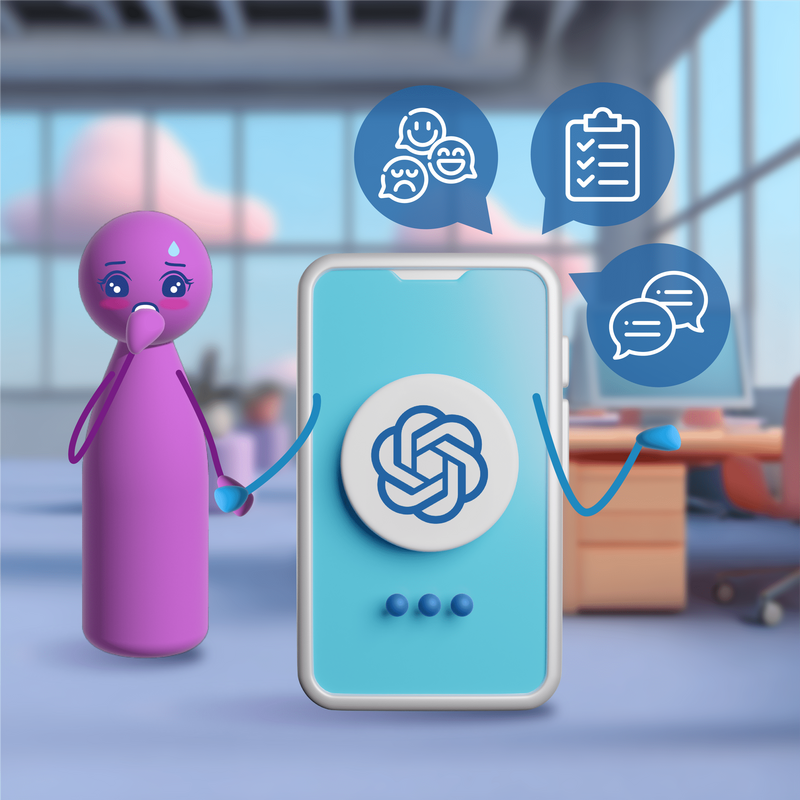
Think about live negotiations where you need to read the person instantly. Customer complaints where one wrong word makes everything worse. Q&A sessions where questions come unscripted. These moments demand human gut feeling, not artificial responses. AI can't handle the split second when someone's voice cracks and you know exactly what to say. Your competitor who masters these skills will eat your lunch.
Master reading facial expressions during salary negotiations to know when to push or back off. Use strategic silence during conflicts instead of filling every pause with words. Respond to your partner's emotional tone within seconds, not after consulting AI. Because when your relationship is breaking or your boss is angry, there's no time to ask AI for help. The question isn't whether AI will replace you; it's whether someone who combines AI with real human skills will replace you first.
So, catch the signal. Send your own. Nancy